
Across Europe and North America, households are bracing for another expensive heating season. Energy prices remain volatile, and many homes still lose a surprising amount of warmth through their floors. Yet heating specialists say one overlooked move, involving the rugs you already own, can noticeably change how warm your home feels without touching the boiler settings.
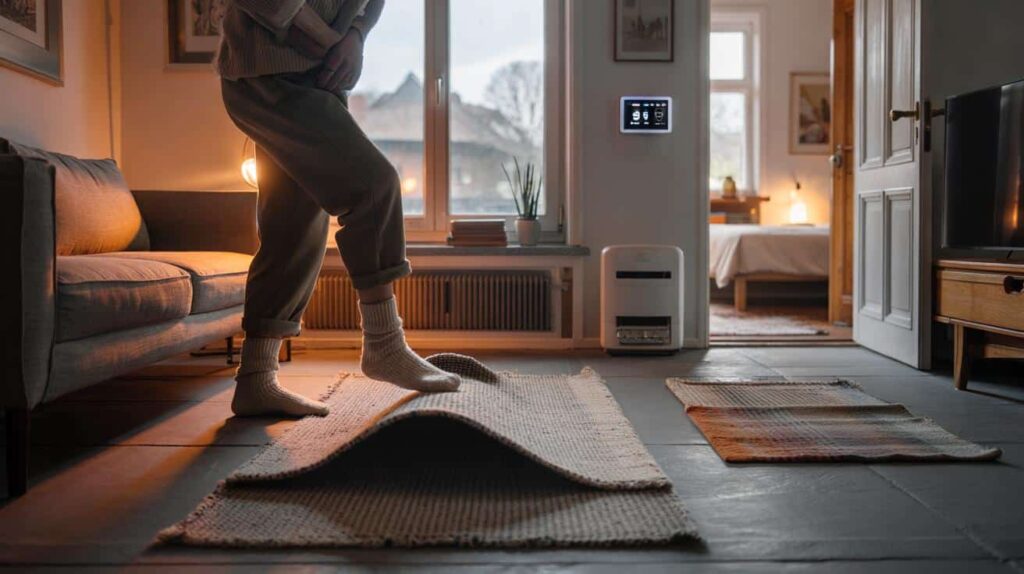
The underfoot problem: why your floors feel icy even with the heating on
Most people focus on walls and windows when they think about heat loss. Floors come last, if they are mentioned at all. That is a mistake, especially in flats above garages, homes built on concrete slabs, or older houses with draughty floorboards.

Cold surfaces pull heat away from your body through conduction. Even if the air temperature looks reasonable on the thermostat, a chilly floor makes the room feel several degrees colder. Your feet sense that first, then your legs, and soon you instinctively reach for the thermostat.

Energy advisers often see a 1 to 2°C “comfort gap” between what the thermostat shows and what people feel when floors are poorly insulated.

Tile, stone and thin laminate are the usual suspects. They store little warmth, cool down quickly at night and stay cold in the morning. That creates a constant tug-of-war with your central heating, which has to work harder to offset the chill radiating from below.
The simple move: flip and shift your rugs before winter bites
Why early winter is the best time to act
Heating engineers in France have been quietly recommending a small seasonal ritual: flip your rugs over, then move them into more strategic positions just before the coldest months. The reasoning is surprisingly practical.
Over spring and summer, rugs get flattened by daily foot traffic. Fibres compress, especially in busy areas like living rooms and corridors. A compressed rug insulates less, leaving a thinner layer of air between you and the cold floor.
When you turn the rug over, you bring the less-used underside to the top. Those fibres are often denser and springier, trapping more still air. That extra air layer improves insulation, and your feet feel the difference almost immediately.
Flipping a rug essentially “resets” its insulating power, using the side that has been protected from months of wear and tear.
What changes in day‑to‑day comfort
People who try this trick often report the same thing: their feet feel warmer, they stop hovering near the radiators, and the urge to nudge the thermostat fades. The air temperature may not have changed, but the comfort level has.
That can be enough to lower the heating set point by 1°C, sometimes 2°C, while feeling just as cosy. In an average, reasonably insulated home, that shift can trim energy use for heating by around 7–15% over a full winter, depending on climate and fuel type.
Where rugs matter most: strategic zones in the home
Rooms that deserve priority
You do not need to cover every inch of floor to see a result. Heating professionals suggest focusing on a few key areas:
- Living room: around the sofa and main seating, where people spend evenings barefoot or in socks.
- Bedrooms: especially beside the bed, so the first step in the morning is not onto cold boards or tiles.
- Home office corners: under the desk and chair to stop cold rising through your feet during long work days.
- Hallways and entrances: to cut draughts that travel through the home from the front door.
In rooms with underfloor heating, the approach changes slightly. You can still use rugs, but they need to be breathable and not too thick, or they will block heat from reaching the room. In that case, smaller, medium-pile rugs spaced apart work better than a huge, heavy one across the whole floor.
How to position rugs for best insulation
Placement matters almost as much as the rug itself. Several small adjustments raise comfort without extra cost:
- Slide rugs so they sit under the area where your feet actually rest: under the coffee table, in front of the sofa, beside the bed.
- Overlap two thinner rugs if you do not own a thick one; the double layer traps more air.
- Push rug edges under furniture legs where possible to keep them firmly against the floor and reduce air circulation underneath.
- Use a non-slip underlay, which adds another thin insulating layer and blocks cold pockets.
Think of rugs as movable insulation panels: you want them directly under the spots where bodies are still for more than a few minutes.
Choosing the right rug materials for winter warmth
What fibres trap heat best
Not all rugs behave the same way in cold weather. Some materials hold warmth better and bounce back from compression more easily.
| Material | Winter behaviour | Best use |
|---|---|---|
| Wool | Excellent insulation, naturally springy, regulates humidity | Living rooms, bedrooms, under seating areas |
| Thick cotton | Moderate insulation, easy to wash, soft underfoot | Children’s rooms, high-traffic spaces |
| High-pile synthetics | Warm feel, good at blocking cold surfaces, budget-friendly | On tiles or stone floors, rental properties |
| Low-pile flatweave | Limited insulation alone, good as a top layer | Layering over another rug or underlay |
Thickness helps, but density matters more. A medium-thick, tightly woven wool rug often beats an extremely fluffy but loose synthetic rug when it comes to stopping heat escaping through the floor.

Keeping rugs effective all season
Rugs do not just compress under your feet. Dust and moisture also clog fibres, reducing their ability to trap air. Basic care keeps their insulating power higher for longer:
- Vacuum at least once a week in winter, and twice in busy areas.
- Lift and shake or beat rugs outdoors during dry spells to remove trapped debris.
- Let rugs air out on a balcony, terrace or rail occasionally to release moisture.
- Tackle spills quickly so fibres do not stiffen and harden as stains dry.
- Rotate or flip rugs every three to four months to spread wear across both sides.
Clean, springy fibres hold more tiny pockets of air, which is exactly what you want for better insulation.
How much can a rug really save on heating?
Realistic expectations from a modest change
On its own, one rug will not slash your heating bill in half. The gains are more modest, but they add up when combined with other low-cost steps such as thick curtains, draught excluders and smart thermostat settings.
Energy experts usually work with a rough rule: every 1°C reduction in thermostat temperature can cut heating energy use by around 7%. If warmer floors and fewer draughts allow you to drop your thermostat from, say, 21°C to 19.5–20°C without feeling colder, you are already moving into that range.
The effect is strongest in homes with:
- Uninsulated concrete slabs
- Basement or garage rooms used as living spaces
- Large areas of tile or stone, especially on the ground floor
- Old timber floors with noticeable gaps between boards
A small part of a bigger winter strategy
Heating engineers often talk about “stacking” measures. A single change, like flipping and repositioning rugs, gives a modest gain. Combined with others, it can tip a home from “just bearable” to genuinely comfortable at a lower thermostat setting.
Pair the rug trick with heavy curtains at night, sealed gaps around skirting boards, and a programmable thermostat that reduces temperature while you sleep. Together, these shifts can push down both gas and electricity use without asking people to shiver in blankets.
The value of the rug trick sits less in dramatic savings and more in making those first few degrees of energy reduction feel painless.
Extra tips and small risks to keep in mind
Safety, allergies and underfloor heating
There are a few points to check before filling every room with thick floor coverings. People with dust allergies or asthma may react to the extra fibres and particles rugs can harbour. Regular vacuuming with a HEPA filter and occasional professional cleaning can limit that risk.
On staircases and steep steps, thick rugs can be a trip hazard unless they are stapled or secured by rods. In kitchens and bathrooms, very plush rugs stay damp for longer and can encourage mould, so thinner, quick-drying mats are safer.
For homes with underfloor heating, manufacturers usually specify a maximum combined resistance for floor coverings. That figure tells you how thick and dense your rug can be before it starts blocking too much heat. Checking that number avoids a situation where your new thick rug feels great underfoot but forces the boiler to work harder.
How to test the effect in a weekend
Anyone unsure whether this tactic suits their home can run a simple two-day experiment:
- Day 1: leave rugs as they are, note the thermostat setting and how warm your feet feel in the evening.
- Day 2: flip and move rugs to key spots, then see if you feel comfortable at the same setting or slightly lower.
Repeat on a particularly cold day for a clearer sense of impact. If your family forgets the thermostat during that second evening, you probably have the layout right.
As energy budgets tighten, low-cost, low-effort changes gain new weight. Shifting and flipping rugs may sound trivial compared with full insulation works or replacing a boiler, but it aligns with a broader trend in home energy use: making the most of what is already there, starting from the floor up.
