Vaccine debates have become more intense in recent years, particularly in the United States where public health concerns meet individual liberty. Those who oppose vaccine refusal point out that the decision affects more than just one person because it can put whole communities at risk of diseases that could be prevented. People who support vaccine requirements believe that immunization protects those who are most vulnerable in society. On the other side, those who resist mandates see their choice as an expression of personal freedom. With disease outbreaks returning and public confidence in institutions declining, the discussion has expanded beyond individual health choices. It now includes larger questions about our obligations to each other, the balance between safety and liberty and how we define freedom when we live together in communities.
Vaccine Refusal and Public Safety Concerns
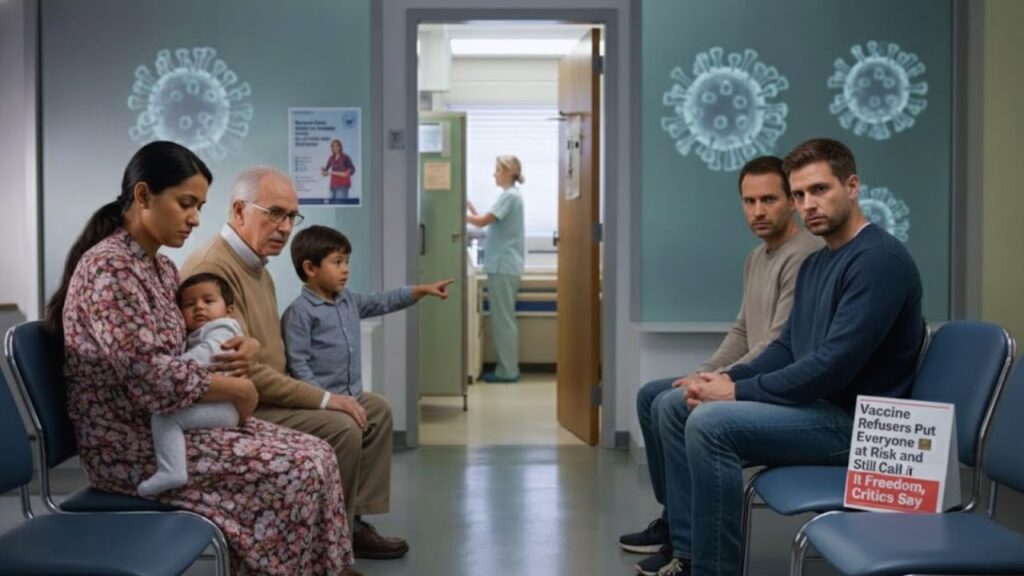
Public health experts warn that when people refuse vaccines it weakens protection for entire communities. This makes disease outbreaks more likely to happen even among people who are vaccinated. Diseases that were once rare can come back when fewer people get immunized. This puts babies and elderly people at higher risk along with anyone who has a weak immune system. Critics say that vaccination is not just a personal choice because it affects community health. They point out that it helps prevent diseases from spreading & that people have a social responsibility to others. These critics argue that individual freedom has limits when one person’s actions can hurt other people. In places like schools & workplaces and on public transportation where many people gather together one person’s choice not to vaccinate can affect many others. This challenges the idea that refusing a vaccine is only a private decision.
 Indoor Heating Update: Why The 19°C Rule Is Outdated And What Temperature Experts Now Recommend
Freedom Debate Around Vaccine Refusal
People who oppose mandatory vaccination usually base their arguments on personal liberty and the right to control their own bodies. However others argue that real freedom requires reducing risks for everyone and making choices based on solid evidence and maintaining public confidence. They point out that society already has many laws that limit actions which could harm other people such as traffic regulations & restrictions on smoking in public places. From this perspective vaccines work the same way as a minor individual action that benefits the broader community. The discussion shifts from being about forcing people to do something and becomes more about finding the right balance between personal rights and social duties in a world where health dangers affect everyone regardless of individual choices.

Why Critics Say Vaccine Refusal Endangers Others
Health advocates argue that vaccines are a cornerstone of modern medicine because they drastically reduce deaths and hospitalizations. When refusal rates rise the result can be a breakdown in herd immunity and strain on healthcare systems along with avoidable outbreaks. Hospitals may face surges that delay care for unrelated conditions & this affects everyone in the community. Critics emphasize that vaccination is not about achieving perfection but about lowering overall risk across populations. They see refusal as undermining decades of medical progress and putting frontline workers & high-risk populations in jeopardy even when those groups follow medical advice themselves.

Summary and Broader Implications
The vaccine debate shows deeper conflicts about trust in institutions and what people owe to society. Personal freedom is important but critics argue that protecting each other & maintaining public health over time should also matter. In connected societies health choices affect more than just individuals. The real challenge is creating conversations that take worries seriously while still following scientific facts. The core question goes beyond individual rights to ask how communities decide to keep everyone safe when facing common threats.
| Factor | Regions With High Vaccination | Regions With Low Vaccination |
|---|---|---|
| Outbreak Occurrence | Infrequent and quickly controlled | Recurring and widespread |
| Healthcare System Pressure | Mostly stable and manageable | Regularly overwhelmed |
| Impact on Vulnerable Groups | Reduced overall exposure | Significantly higher risk |
| Public Health Spending | Lower costs over time | High emergency-related expenses |