
A team of scientists believes they have found a way to prevent the bone and muscle loss that astronauts suffer during space missions. The method uses a digital twin to help researchers track how an astronaut’s movements relate to their muscle function. This could become increasingly important as astronauts spend more time in space & as plans for the first crewed Mars mission move forward. The technology allows scientists to monitor physical changes in real time & adjust exercise programs accordingly. Without proper countermeasures astronauts can lose significant amounts of bone density and muscle mass during extended missions. The digital twin creates a virtual model of each astronaut that updates continuously based on data collected from sensors. This personalized approach means that exercise routines can be tailored to each individual rather than using a one-size-fits-all program. Researchers hope this innovation will make long-duration space travel safer & more sustainable for future missions beyond Earth orbit.
Why Long-Duration Space Travel Weakens the Human Body
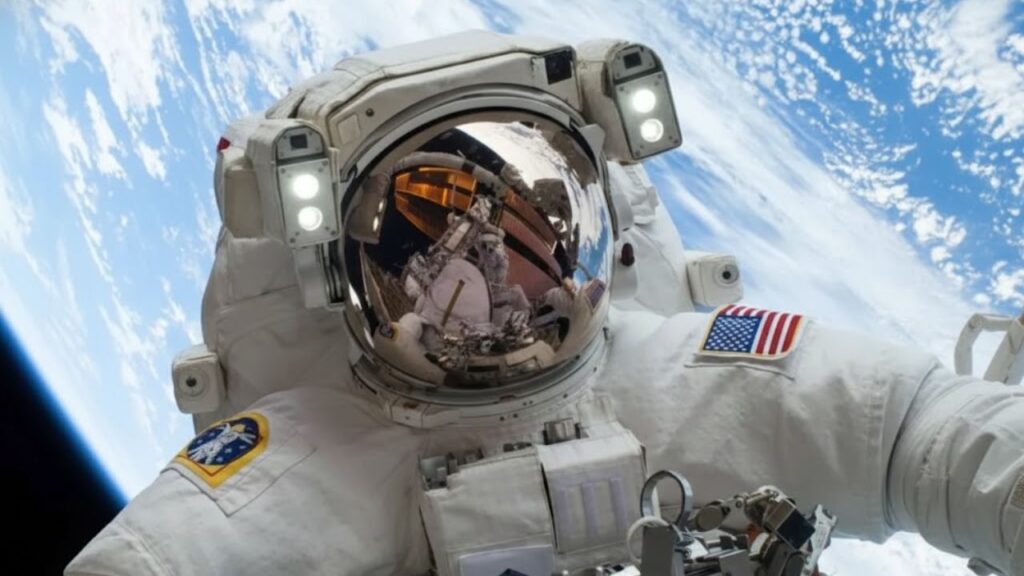
Humans were not built to live in space. We developed to exist on Earth where gravity constantly pulls us toward the ground. When people spend extended periods in weightless conditions their bones & muscles start to break down. Scientists have documented this problem extensively. Astronauts on the International Space Station must exercise for two hours every day to combat these effects. The Artemis II crew will only spend ten days traveling around the Moon and back. Despite this short duration they still need to follow a strict exercise program during their mission. This raises an important question. If brief trips to space can cause serious problems for the human body then how will astronauts manage a long voyage to Mars? More importantly how will they be able to walk around and function normally on the Red Planet after spending months in zero gravity during the journey there?
Can Artificial Intelligence Help Solve the Mobility Challenge?
Scientists at West Virginia University in the USA are working on computer models that use Artificial Intelligence to address health problems astronauts face when living in weightless conditions for extended periods. Valeriya Gritsenko and Sergiy Yakovenko work as associate professors in the Human Performance and Neuroscience departments at the WVU School of Medicine & WVU Rockefeller Neuroscience Institute. They explain that humans will likely spend more time in weightless environments in the future. This includes new space stations & NASA’s Lunar Gateway near the Moon. It also includes potential crewed missions to Mars.
 According to psychology, people who talk to their pets like humans often share these 8 traits
The scientists explain that their technology will create a digital twin for every astronaut to track how each person adjusts to weightlessness. The system will then determine what each astronaut must do to prevent problems caused by zero gravity such as losing muscle mass and bone strength along with changes to vision and the nervous system. Yakovenko states that astronauts currently depend on large support teams on Earth who monitor their health data and adjust their workout routines or provide other help when needed. He notes that this type of support will become impossible as space missions travel further from Earth so researchers are working on different solutions. Astronauts who come back to Earth report that walking is what they miss most while in space. Despite doing plenty of exercise they cannot keep their movement coordination working properly in microgravity conditions. If humans want to reach Mars the astronauts will experience serious coordination problems during the journey. Under current conditions they might reach Mars but would likely fall over when they first step onto the surface. The research team wants to prevent this outcome by developing a system that can monitor astronauts without interfering with their daily activities.
The Science Behind How This Technology Restores Movement
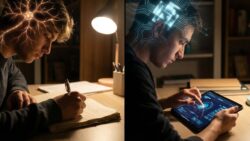
The research team studies human volunteers on Earth as they perform simple physical tasks. They use motion capture technology and sensors to track how the volunteers move & monitor their muscle activity. Gritsenko explains that their virtual reality software works like the artificial physics engines found in video games or movies that make virtual characters move naturally. By considering factors such as a person’s size and weight along with their muscle action they can run simulations to determine what forces people need to make specific movements. This helps predict what astronauts would experience in orbit or zero-gravity conditions. If space agencies adopt their AI models the system would track an astronaut’s exercise routine before launch and throughout the mission & after returning to Earth. The team hopes the system could identify subtle warning signs early before they develop into serious problems. Gritsenko notes that the model could alert an astronaut to exercise more or use heavier weights to prevent potential muscle loss. Christina Koch is shown shortly after landing back on Earth in 2020 after spending 328 days on the International Space Station. Astronauts must be carried from their capsule after landing because they lose strength in their leg muscles during extended periods in space. Credit: NASA When astronauts return to Earth the model would provide a reliable estimate of how much their physical condition has declined in orbit. It could then develop a routine to help them manage problems like balance issues or orthostatic intolerance. This condition causes people to lose consciousness because blood does not reach their head quickly enough when they stand up. NASA has supported the project with a $750000 grant. The team believes the AI could also benefit people on Earth through applications like rural telemedicine where technology delivers medical services to remote populations worldwide. Gritsenko says people can benefit more from telehealth by using these digital twin tools for early detection of issues like motor deficits and balance problems or even early neurodevelopmental delays. There are many similarities between spaceflight deconditioning and muscle & neural motor control problems in sedentary people such as older individuals or pregnant women who have been on extended bed rest.