
Have you ever paused in the grocery store, unsure whether to pick broccoli, cauliflower, or cabbage At first glance, they seem like completely different vegetables. But here’s a surprising twist: they’re all different versions of the very same plant.
One Plant, Many Appearances
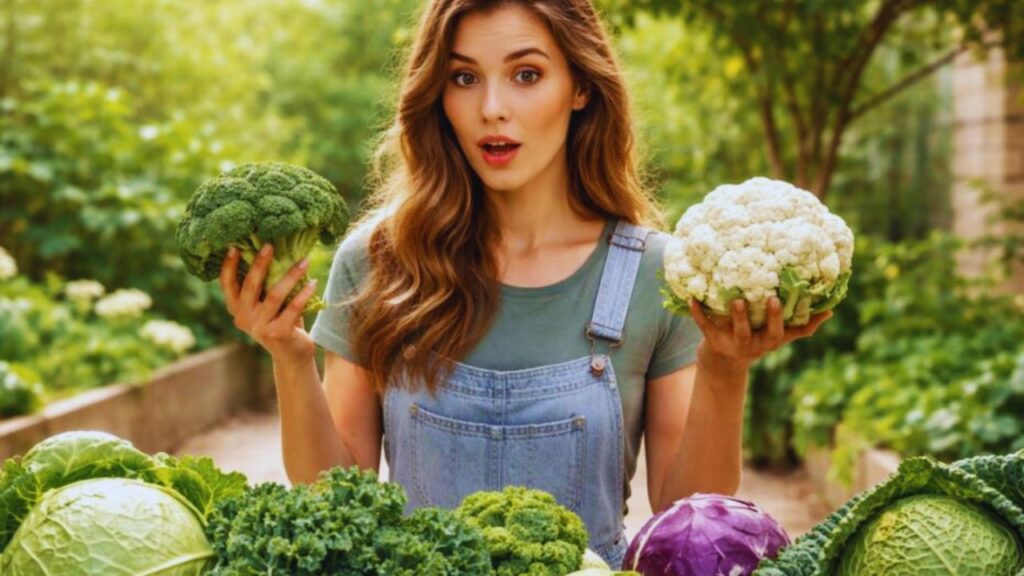
Place broccoli, cauliflower, and cabbage side by side on your kitchen counter. They look unrelated, almost like they belong to different families. In reality, they all come from a single species called Brassica oleracea. Think of it like one actor playing many roles—same base, totally different looks.

How Humans Shaped These Vegetables
Hundreds of years ago, farmers didn’t have laboratories or genetic tools. What they did have was patience and observation. They noticed small differences in plants—larger leaves here, tighter buds there—and saved seeds from the ones they liked most. Over generations, those choices shaped the vegetables we eat today.

From Wild Plants to Kitchen Staples
Along Europe’s coastlines, early farmers worked with wild brassica plants. Some plants developed broader leaves and became cabbage. Others formed compact flower heads, which eventually gave us broccoli and cauliflower. It was slow, natural selection guided by human hands.

A Shared Flavor Family
If you roast broccoli, cauliflower, and cabbage together, you may notice something familiar in their taste. There’s a gentle sweetness and a slightly nutty depth they all share. Each vegetable has its own texture and personality, but the family resemblance is unmistakable.
More Than Just Side Dishes
Many people remember these vegetables as bland or overcooked. But prepared with care, they can shine. Cabbage can feel comforting and traditional, while roasted broccoli or cauliflower often feels modern and indulgent.

Choosing the Right Vegetable
When you’re shopping, think about what part of the plant you want to eat. Cabbage gives you leaves, broccoli offers buds and stems, and cauliflower delivers a dense central head. If one option is expensive or unavailable, another member of the same family might work just as well.
A Story That Continues on Your Plate
Cooking these vegetables connects you to a long history of farmers, cooks, and everyday choices. Every meal is part of that ongoing story—one shaped by human creativity and curiosity.
The Final Thought
The next time you open your fridge and spot a piece of broccoli or cabbage, don’t see it as ordinary. See it as the result of centuries of quiet innovation. What will you turn this ancient plant into today
