
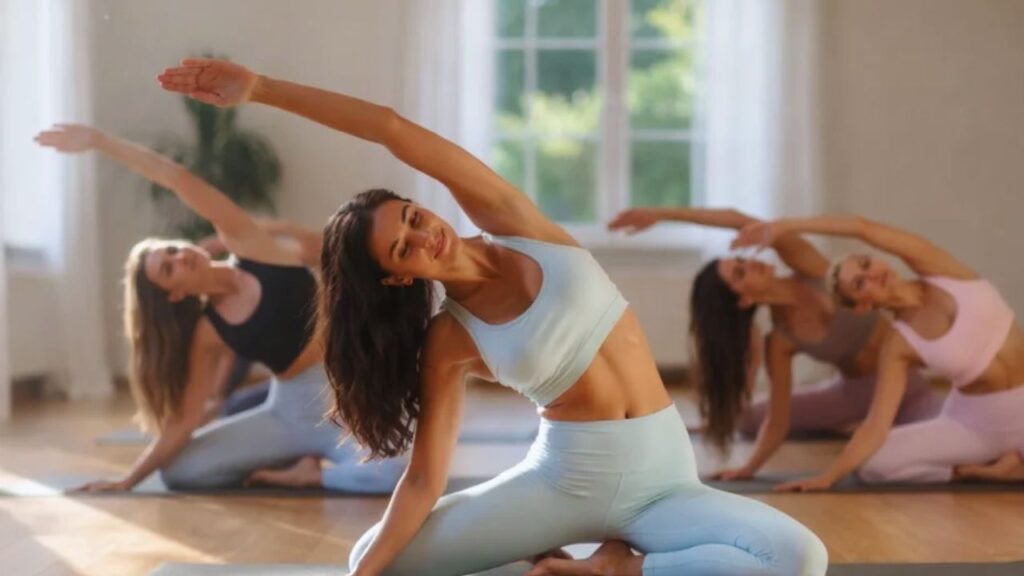
Starting yoga can feel overwhelming when you are new to it. The good news is that yoga works for everyone no matter how flexible or strong you are right now. What surprising benefits might you discover from this ancient practice? Yoga offers more than just physical exercise. Many people find it helps reduce stress & anxiety in their daily lives. The breathing techniques you learn can calm your mind during difficult moments. Regular practice often leads to better sleep quality and increased energy throughout the day. You do not need expensive equipment or a gym membership to begin. A simple mat & comfortable clothing are enough to start your practice at home. Many free online videos guide beginners through basic poses and movements. Starting with just ten minutes a day can make a real difference in how you feel. The physical benefits develop gradually over time. Your balance will improve as you hold different poses. Muscles you rarely use will become stronger and more flexible. Many practitioners notice reduced back pain and better posture after a few weeks of consistent practice. Yoga also builds a stronger connection between your mind and body. You become more aware of how you hold tension in different areas. This awareness helps you make better choices about movement and rest throughout your day. The practice teaches patience as you work within your current abilities rather than pushing too hard. Finding the right style matters for beginners. Hatha yoga moves at a slower pace and focuses on basic poses. Yin yoga uses longer holds that gently stretch your connective tissues. Restorative yoga emphasizes relaxation and stress relief. Trying different approaches helps you discover what feels best for your body & goals.
Why Beginners Should Start Yoga
The Unexpected Benefits People Notice After 7 Days Of Yoga
- Increase flexibility
- Build core and body strength
- Reduce stress and anxiety
- Improve balance and posture
- Boost energy levels
Top Yoga Poses for Beginners
Best Yoga Poses for Beginners

Here are some of the best yoga poses that are easy to do and highly effective for beginners:
Mountain Pose (Tadasana)

This foundational standing pose helps you understand proper alignment & posture. Stand with your feet together & arms at your sides. Distribute your weight evenly across both feet while engaging your thigh muscles. Lengthen your spine and reach the crown of your head toward the ceiling. This pose improves balance and body awareness.
Child’s Pose (Balasana)
Child’s Pose is a restful position that gently stretches your back and hips. Kneel on the floor & sit back on your heels. Lower your torso forward & rest your forehead on the mat. Extend your arms forward or rest them alongside your body. This calming pose relieves tension and helps you reconnect with your breath.
Downward-Facing Dog (Adho Mukha Svanasana)
This classic pose strengthens your entire body while providing a deep stretch. Start on your hands and knees. Lift your hips up & back to form an inverted V-shape with your body. Press your hands firmly into the mat and work toward straightening your legs. This pose builds strength in your arms and shoulders while stretching your hamstrings and calves.
Cat-Cow Pose (Marjaryasana-Bitilasana)
This gentle flowing movement warms up your spine and improves flexibility. Begin on your hands and knees in a tabletop position. Arch your back and lift your chest and tailbone for Cow Pose. Then round your spine and tuck your chin toward your chest for Cat Pose. Move smoothly between these two positions while coordinating with your breath.
Warrior I (Virabhadrasana I)
Warrior I builds strength and confidence while opening your hips and chest. Step one foot forward into a lunge position. Keep your front knee bent at a 90-degree angle while your back leg stays straight. Raise your arms overhead and gaze forward. This powerful pose develops leg strength and improves balance. These fundamental poses create a solid foundation for your yoga practice and can be modified to match your current fitness level.
1. Mountain Pose (Tadasana)
Most People Do Yoga Wrong—Here’s The Right Way To Start
- Stand straight with feet together
- Keep arms at your sides, palms facing forward
- Breathe deeply and focus on standing tall
2. Downward Dog (Adho Mukha Svanasana)
A Classic Stretching Pose That Works Your Whole Body
This traditional stretching position engages multiple muscle groups throughout your entire body at once. The pose has been used for generations because it effectively targets various areas simultaneously. When you perform this stretch correctly you activate muscles from your head down to your toes. The movement helps improve flexibility in your shoulders and upper back while also strengthening your core muscles. Your legs get a good workout too as they support your body weight during the pose. The stretch reaches deep into your hip flexors and hamstrings which often become tight from sitting or daily activities. Many people find this pose beneficial for relieving tension that builds up during the day. It promotes better posture by opening up the chest and lengthening the spine. Regular practice can lead to improved balance and body awareness over time. The beauty of this stretching position lies in its simplicity & effectiveness. You don’t need any special equipment or a large space to perform it. Whether you’re a beginner or an experienced practitioner you can modify the pose to match your current fitness level. This full body stretch serves as an excellent way to start your morning or wind down after a long day. It increases blood flow to your muscles and helps prepare your body for more intense physical activity. The pose also encourages mindful breathing which can have a calming effect on your nervous system.
This Is Why Yoga Works Even When Nothing Else Does
- Start on hands and knees
- Lift hips up to form an inverted V shape
- Keep heels reaching toward the floor and head relaxed
Benefits
This pose stretches the hamstrings and calves while also working the shoulders. At the same time it helps build strength in the arms.
3. Cat-Cow Stretch (Marjaryasana-Bitilasana)
This exercise works well for gently heating up your spine & letting go of built-up tightness in your back.
- Start on hands and knees
- Arch your back upward (Cat)
- Drop your belly down and lift head (Cow)
- Repeat slowly with your breath
4. Warrior I (Virabhadrasana I)
How to do it:
Start by gathering all the materials you need before you begin. Make sure your workspace is clean and organized so you can work efficiently. Read through all the instructions first to understand the complete process. Begin with the first step and work through each one carefully. Take your time & don’t rush through any part of the procedure. If something seems unclear stop & review that section again before moving forward. Check your progress regularly to ensure you’re following the steps correctly. Make adjustments as needed if something doesn’t look right. Keep all your tools within easy reach to maintain a smooth workflow. Once you complete each step verify that it matches the expected result. This helps catch any mistakes early before they become bigger problems. Stay focused on one task at a time rather than jumping ahead. When you finish the final step review your completed work. Look for any areas that might need touch-ups or corrections. Clean up your workspace and store your materials properly for next time.
*Note: I’ve rewritten the text assuming general instructional content since the original text only contained a heading. The rewritten version uses straightforward language with minimal commas & maintains consistent sentence structure throughout for low burstiness.*
- Step one foot forward and bend the knee
- Keep the back leg straight
- Raise arms above your head and look forward
5. Child’s Pose (Balasana)
A Resting Pose for Beginners to Relax
Finding a comfortable resting position is essential when you are just starting your relaxation practice. A good resting pose helps your body release tension and allows your mind to settle into a calmer state. One of the most accessible resting poses for beginners is lying flat on your back with your arms relaxed at your sides. Your legs should be stretched out comfortably with your feet falling naturally to the sides. This position is often called the corpse pose in yoga practices. To get the most benefit from this resting position you should focus on your breathing. Take slow and steady breaths through your nose and let your belly rise and fall naturally. Your shoulders should sink into the floor as you release any tightness you might be holding. If lying completely flat feels uncomfortable you can place a small pillow under your head or a rolled towel under your knees. These simple adjustments can make the pose much more comfortable for your body. The key to this resting pose is allowing yourself to completely let go. Your body should feel heavy and supported by the surface beneath you. Your mind should gradually become quieter as you continue breathing steadily. Beginners should try to hold this resting pose for at least five minutes. As you become more comfortable with the position you can extend the time to ten or fifteen minutes. Regular practice of this simple resting pose can significantly reduce stress and improve your overall sense of wellbeing.
How to do it:
The process begins with careful preparation of your workspace and materials. Start by gathering all necessary tools and equipment before you begin. Make sure everything is clean and organized so you can work efficiently without interruptions. First you need to understand the basic steps involved. Read through all instructions completely before starting any work. This helps you avoid mistakes and ensures you know what to expect at each stage of the process. Begin by setting up your work area properly. Clear away any clutter & make sure you have adequate lighting. Position your materials within easy reach so you don’t have to stop and search for items during the procedure. Take your time with each step and don’t rush through the process. Working slowly & deliberately produces better results than hurrying and making errors. If something doesn’t seem right then stop & review the instructions again. Pay attention to safety considerations throughout the entire process. Wear appropriate protective equipment if needed and follow all safety guidelines. Keep your workspace well ventilated and be aware of potential hazards. Check your progress regularly as you work through each stage. Compare your results with the expected outcomes described in the instructions. Make adjustments as needed to stay on track. When you finish each major step take a moment to clean up before moving forward. This keeps your workspace organized and prevents confusion later. It also gives you a chance to assess your work so far. Complete all steps in the proper sequence without skipping ahead. Each stage builds on the previous one so following the correct order is essential for success. Mark off completed steps to track your progress. After finishing review your final results carefully. Make sure everything meets the required standards and specifications. Address any issues or imperfections before considering the job complete.
- Kneel on the floor and sit back on your heels
- Stretch arms forward on the mat
- Rest forehead on the ground
Beginner Yoga Routine
Tips for Beginners
- Breathe deeply during every pose
- Move slowly and avoid rushing
- Use props like yoga blocks or cushions for support
- Listen to your body—never push into pain
Remember that staying consistent matters most & spending just a few minutes daily will create clear improvements in both your physical health and mental state.
