
Benefits of Yoga for Better Sleep
- Relaxation of muscles: Yoga stretches and releases tension in key areas such as the back, hips, and shoulders.
- Stress reduction: Focused breathing and mindful movements reduce cortisol, the stress hormone.
- Improved circulation: Certain poses help improve blood flow, which can promote better sleep.
- Activation of the parasympathetic nervous system: This system is responsible for “rest and digest,” signaling to your body that it’s time to unwind.
Regular yoga practice can help you sleep better by making it easier to fall asleep & improving how well you rest throughout the night. When you do yoga consistently it works to enhance your sleep efficiency & reduces the amount of time you spend lying awake before drifting off. The overall quality of your sleep gets better as your body and mind learn to relax more effectively through the various poses & breathing exercises that yoga provides. Many people who practice yoga regularly notice that they fall asleep faster than they used to. They also find that they wake up feeling more refreshed because their sleep has become deeper and more restorative. The combination of physical movement and mental relaxation that comes from yoga creates ideal conditions for good sleep patterns to develop naturally over time.
Best Yoga Poses for Better Sleep
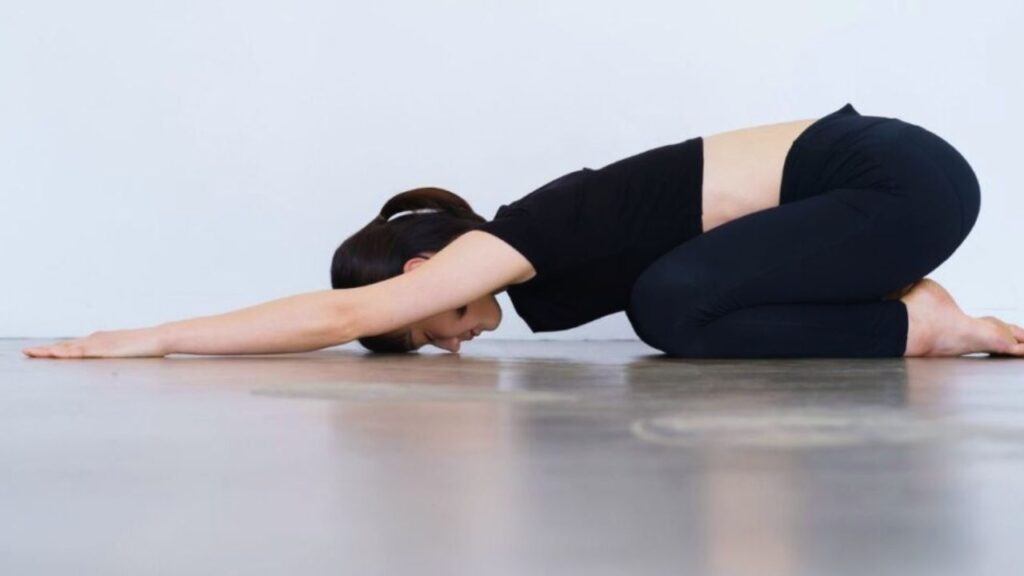
Child’s Pose
Child’s Pose is a gentle resting position that releases tension in your lower back & hips and shoulders. This pose calms your mind effectively & gets your body ready for sleep. To practice this pose you need to kneel on your mat with your knees spread apart while keeping your big toes touching. Lower your torso forward between your thighs and extend your arms straight ahead on the floor. You can also rest your arms alongside your body with palms facing up if that feels more comfortable. Focus on breathing deeply and slowly while you hold this position. Each breath should help you sink deeper into the stretch and release more tension from your muscles. Stay in Child’s Pose for several minutes to get the full relaxation benefits. This simple position works well as part of your bedtime routine because it signals to your nervous system that it’s time to wind down. The forward fold naturally encourages introspection and quiets mental chatter that might keep you awake. Many people find that holding this pose for just a few minutes before bed helps them fall asleep faster and sleep more soundly through the night.
 Who is in the Epstein files?
The Unexpected Benefits People Notice After 7 Days Of Yoga
This pose involves bending forward while sitting on your knees. It calms the nervous system and helps your body transition from being active to feeling more relaxed and ready for rest.
Legs-Up-The-Wall
This calming position works well when you want to relax before going to sleep. You lie on your back & rest your legs against a wall. This simple adjustment helps blood move more easily toward your upper body and heart. The pose requires no special equipment or training. You just need a clear wall space and a comfortable spot on the floor. Many people find it reduces tension in their legs & lower back after a long day of standing or sitting. When you hold this position for several minutes your body starts to shift into a more restful state. The gentle reversal of blood flow can help reduce swelling in your feet and ankles. It also gives your circulatory system a chance to work without fighting against gravity in the usual way. This position is particularly helpful if you spend most of your day on your feet or sitting in one place. The change in orientation lets tired muscles release their grip. Your breathing naturally becomes slower and deeper as you settle into the pose. You can stay in this position anywhere from five to fifteen minutes depending on how much time you have. Some people like to close their eyes and focus on their breathing while others prefer to listen to quiet music. Either way the pose creates a natural transition between the activity of your day and the rest your body needs at night.

Most People Do Yoga Wrong—Here’s The Right Way To Start
Cat-Cow Pose
This pose combines gentle movements with deep breathing to help quiet your thoughts and get your body ready for sleep. When you match your breath to the movement it naturally makes your heart beat slower & helps you feel more relaxed.
Standing Forward Bend
Uttanasana releases tension in your back neck and shoulders while providing a grounding sensation that makes it easier to relax after a busy day. The pose improves blood flow to your brain which can sharpen mental clarity before you go to sleep. This forward fold works by gently stretching the entire posterior chain of your body from your calves up through your spine. When you hang forward and let gravity do the work your muscles naturally begin to release their grip. The increased circulation to your head brings fresh oxygen to your brain tissue which helps clear away mental fog and prepares your mind for rest.
Butterfly Pose
Corpse Pose
Savasana typically comes at the end of yoga practice to help your body completely relax. You lie flat on your back with your arms resting beside you while concentrating on breathing deeply. This final resting pose gives your muscles time to release tension after the physical work of your session. Your legs extend naturally with feet falling open to the sides. Your palms face upward in a receptive position that encourages letting go of stress. The practice centers on conscious breathing that slows your heart rate and calms your nervous system. You direct attention to each breath moving in and out of your body. This focused awareness helps quiet mental chatter & brings you into the present moment. Many students find this pose deceptively challenging despite its simple appearance. Lying still requires discipline when your mind wants to wander or your body feels restless. The goal involves complete surrender rather than active effort. Teachers often guide students through body scanning during this pose. You mentally check each body part from toes to head and consciously release any remaining tightness. This systematic relaxation promotes both physical recovery and mental clarity. The duration usually ranges from five to fifteen minutes depending on the overall class length. Some practitioners consider this pose the most important part of their practice because it allows the benefits of previous postures to integrate fully into your system.

Tips for Practising Yoga Before Bed
- Keep the movements slow and gentle: Avoid poses that are too energizing or intense before bedtime.
- Focus on deep, slow breathing: Inhale deeply through your nose, allowing your lungs to fill completely, and exhale slowly to calm the body.
- Set a consistent routine: Practising yoga at the same time each evening can help signal your body that it’s time to wind down.
- Avoid heavy meals or caffeine before yoga: Yoga is best done when your body is not overly full or stimulated.
Regular practice helps you turn these calming yoga poses into a natural part of your evening habits. This leads to waking up with more energy and feeling better rested every morning.
FAQs
How long should I do yoga before sleep?
You should try to do 10 to 20 minutes of gentle yoga before you go to bed. Doing short sessions regularly works better than doing longer sessions once in a while.
Can yoga cure insomnia?
Yoga cannot fix long-term insomnia but research shows it helps people sleep better. Studies indicate that practicing yoga reduces problems during the night & makes falling asleep easier. People who do yoga regularly also report that their overall sleep becomes more restful & satisfying. The practice works by calming the nervous system and reducing stress levels in the body. When you perform gentle stretches & breathing exercises before bed your mind becomes quieter and your muscles relax. This natural relaxation response prepares your body for sleep without needing medication or other interventions. Many sleep experts now recommend adding yoga to a healthy bedtime routine. Even just fifteen minutes of simple poses can make a noticeable difference in how quickly you drift off and how well you rest through the night.
Do I need to do all the poses?
You do not need to practice every yoga pose that exists. Instead you should concentrate on the positions that feel right for your physical condition & mental state. Begin your practice with just a few poses & gradually add more as you become comfortable with the basics. The key is to listen to what your body tells you rather than forcing yourself through an entire sequence. Some poses will naturally suit you better than others based on your flexibility & strength levels. Pick two or three poses that you can perform safely and that make you feel good when you finish them. As weeks pass you will notice improvements in your balance and stamina. This is the right time to introduce additional poses to your routine. The expansion of your practice should happen naturally without pressure or strict timelines. Your yoga journey is personal and should progress at a pace that works for you alone. Remember that quality matters more than quantity in yoga practice. Doing five poses correctly brings more benefits than rushing through twenty poses with poor form. Take your time to understand each position and breathe properly while holding it.
