
Many people pull them down quickly, worried the fibres might crack or stay damp forever. Yet winter frost can dry laundry surprisingly well, as long as you understand what is really happening in those stiff, icy clothes.
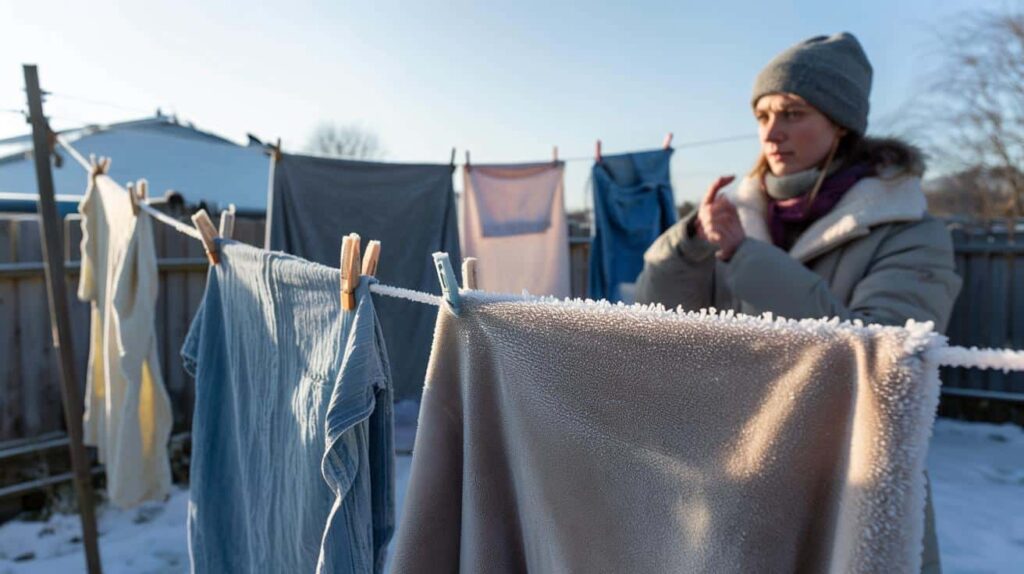
Why laundry can dry in freezing temperatures
Most of us link drying to warmth: summer sun, a hot radiator, or a tumble dryer. In winter, that mental model fails. The key driver is not just temperature, but how much water the air can absorb.

On very cold days with clear skies and no snowfall, the outside air is often extremely dry. This dry air still pulls moisture out of fabrics. The twist is that the water often turns straight from ice to vapour.
 New medical breakthrough: Danish researchers finally identify why some children escape allergies
In sub-zero temperatures, water in clothes can bypass the liquid stage and transform directly from ice to water vapour – a process called sublimation.

This means your T‑shirts, towels and jeans can freeze solid and still be on their way to becoming dry. They just need enough time on the line for the ice to sublimate.
Why you should not take clothes down too early
Taking frozen clothes in too soon is the main mistake people make. At first glance, a frosty jumper looks “done”: rigid, cold, seemingly empty of water. Yet those fibres can still hold plenty of ice.
As soon as you bring that laundry into a warm room, the ice melts. The fabric goes from frozen to wet again, leaving you with heavy, clammy garments that now need a second drying session indoors.
If you remove washing before the frost phase has passed, you can leave moisture trapped deep in the fibres and shorten your clothes’ lifespan.
Repeated freeze–thaw cycles on the line are not a problem. The real strain comes when half-frozen laundry is handled, twisted or forced over hangers indoors. That can roughen the surface of delicate fibres and cause them to lose shape more quickly.
The science of the “frost phase”
What actually happens in your frozen laundry
Once you peg wet laundry outside in sub-zero, dry weather, three main stages follow:
- Freezing: Water in and between the fibres turns to ice; the garment becomes stiff and often slightly opaque.
- Plateau: The laundry remains frozen while dry air slowly pulls water molecules off the ice surface.
- Sublimation: Over time, the ice content falls. Although the fabric may still feel cold, it becomes lighter and less board-like.
The “frost phase” people talk about is this long plateau where clothes are frozen but still steadily losing moisture. Only when that process has run its course is the laundry ready to come inside.
How to tell when the frost phase is over
You do not need lab equipment to judge this. A few practical checks are enough:
| Sign | What it tells you |
|---|---|
| Weight change | Garments feel noticeably lighter and less “waterlogged with ice”. |
| Flexibility | Items bend more easily and no longer snap or creak when moved. |
| Surface look | Frosty crystals on the outside have largely disappeared. |
| Touch test | Fabric still feels cold, but not icy-damp. Inner layers feel just slightly cool. |
Once you reach this stage, any remaining moisture can be finished off indoors on an airer, without puddles of meltwater.
When it makes sense to dry laundry outside in winter
Conditions that favour frost drying
Not every winter day is suitable. Frost drying works best when:
- The temperature is below 0°C (32°F) and stays there for several hours.
- The air is fairly dry: clear skies, low humidity, no fog.
- There is a light breeze, which moves moist air away from the fabric surface.
- No snowfall or freezing drizzle is expected during the drying period.
On a sunny, crisp winter day with minus temperatures and no precipitation, your laundry can come off the line both dry and surprisingly fresh.
Sunlight, even when weak, helps by gently warming the dark parts of the fabric. That nudge in temperature supports sublimation without turning everything into liquid water.
When you should avoid outdoor drying
There are conditions where hanging laundry outside in winter backfires:
- Fog or high humidity: The air is already saturated and cannot absorb much more moisture.
- Freezing rain or snow showers: Clothes gather extra water or ice instead of drying.
- Short cold snaps: If temperatures rise quickly above freezing, you risk the meltwater problem again.
On these days, an indoor airer near a heat source or a carefully used tumble dryer is the better option.

Protecting fabrics while frost drying
Gentle handling matters
Frozen garments can feel brittle. Yank them off the line or fold them while they are still board-stiff and fibres may suffer.
Use these simple habits:
- Shake items gently, not aggressively, before pegging and when taking them down.
- Avoid folding frozen jeans or towels; let them soften first indoors.
- Use wide pegs or hangers to reduce pressure points on delicate materials.
Modern fabrics are surprisingly robust, but knitwear, lace and fine synthetics deserve a bit of extra care while frozen.
Which clothes respond best to frost drying
Not every fabric behaves in the same way on a frosty line.
- Cotton and linen: Shirts, bedding and tea towels usually dry well and smell very fresh afterwards.
- Synthetics: Sportswear and fleece dry quickly because they hold less water, but can build static indoors.
- Wool: Can go outside but should not be left in strong wind for too long, as it may lose shape.
- Delicate blends: Silk or garments with special finishes are safer on an indoor rack.
Indoor alternatives for harsh or damp winters
Many households cannot rely on perfect frost days. In cities, humidity, pollution and cramped balconies complicate things.
Indoor drying racks positioned in a well-ventilated room offer a safer backup. A small gap between items helps air circulate, reducing the risk of musty smells and mould.
Whether you dry outside or in, good air circulation matters more than blasting fabric with heat.
Dehumidifiers can speed up drying in small flats. They pull water out of the air, which in turn encourages moisture to leave your clothes more quickly. This often uses less energy than running a tumble dryer for several hours.
Energy, health and building risks to keep in mind
Drying indoors has side effects many people underestimate. Each load of wet washing can release up to two litres of water into a room. That moisture ends up on cold walls, windows and behind furniture.
Over time, this can lead to condensation, peeling paint and mould growth. Mould spores stress the respiratory system, especially for children, older people and those with asthma or allergies.
Frost drying on the balcony or in the garden shifts that moisture outdoors. You save energy, relieve the heating system and protect indoor air quality. The trade-off is that you must monitor the weather more closely and be patient during the frost phase.
Key terms and practical scenarios
Sublimation and “relative humidity” explained
Sublimation is simply the direct jump from solid to gas. On your washing line, that means ice crystals in the fabric skip the liquid stage and turn straight into invisible vapour.
Relative humidity describes how much water vapour the air contains compared with the maximum it can hold at a given temperature. Cold air reaches that maximum quickly, but on clear, frosty days it often stays well below it, which leaves room for more moisture from your laundry.
Real-life example: the family wash on a frost day
Imagine a family washing load hung outside at 9am on a −5°C, sunny Saturday. By 10am, everything is frozen stiff. At midday, shirts still look icy, but feel noticeably lighter if you lift a corner. By 2pm, the frost has almost vanished, and items bend more easily.
At this point, the clothes come indoors and go on a stand in a cool hallway. No puddles form, and the last traces of moisture leave the fabric over the next couple of hours. The heating works a little less hard because it is not trying to evaporate litres of water from the living room air.
Handled this way, winter laundry becomes less of a constant battle and more of a small seasonal trick: using frost as a free, silent drying aid, as long as you resist the urge to pull your clothes down before the frost phase has really done its job.
