
At 8:17 a.m. on a Tuesday, the queue in front of a Tokyo convenience store looks like a mini tech launch. Except no one is waiting for a new phone. They’re here for toilet paper. A clerk wheels out a modest pallet, wrapped in plastic, decorated with pastel cherry blossoms and minimalist kanji. In less than three minutes, it’s gone.
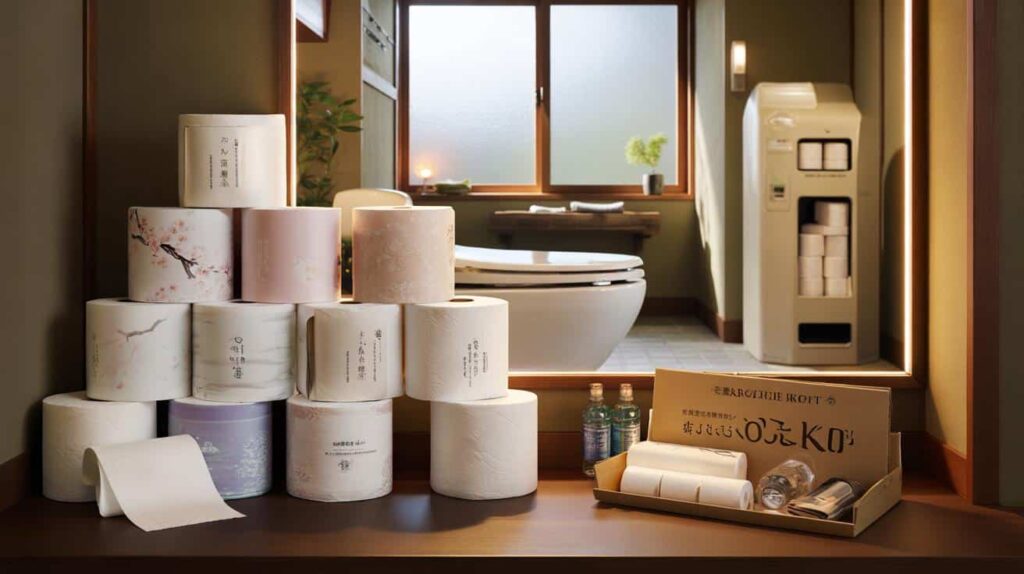
Inside, an elderly woman pats a pack like it’s a small pet. A student checks the ingredient list like a skincare product. One man quietly slips a single roll into his briefcase, as if hiding something slightly embarrassing and oddly precious.

Japan has entered a toilet paper revolution.

And almost nobody outside the country has really noticed yet.

The strange prestige of the humble roll
Spend a few days in Japan and you start noticing the rolls. Not just in bathrooms, but in supermarket aisles lovingly arranged like cosmetic displays. Some are scented with yuzu or green tea. Others promise moisturizing aloe or “cloud-soft touch.”
Ask around and you hear the same quiet confession, especially from younger city-dwellers: they’ll spend less on lunch before they downgrade their toilet paper. That sounds absurd until you stand in a Shibuya drugstore, surrounded by packaging that looks more like luxury chocolate than bathroom stock.
The message is implicit yet loud. This small, disposable thing has become a lifestyle object.
One striking example hit headlines in 2023 when a boutique brand in Osaka launched “emergency premium rolls” sold in sleek, earthquake-ready boxes. They cost several times the normal price and still sold out. The company’s pitch: if people hoard toilet paper during crises, why not give them something durable, compact, and… beautiful?
Another chain near Nagoya installed vending machines that dispense single, individually wrapped rolls. Tourists thought it was a quirky joke. Locals didn’t. During the first months, the machines needed restocking twice a day.
Sales data from market researchers in Tokyo shows double‑digit growth in “high-value” toilet paper over the last few years, even as Japan’s population shrinks. Less people, more premium rolls.
So what’s driving this quiet upgrade of the most mundane product in the house? Part of it is simple: toilets in Japan are already futuristic, with heated seats, water jets, deodorizing fans, and music buttons to mask embarrassing noises. Once you’ve turned the toilet into a gadget, the paper sitting beside it starts looking a bit… basic.
There’s also a generational shift. Many young Japanese live in small apartments where there’s no space for big luxuries. So they pour their care into tiny everyday objects, from hand soap to toilet paper, that they touch several times a day.
And beneath the trend lies a deeper instinct: *when the world feels unstable, people reach for controllable comforts… even in the bathroom.*
How Japan quietly re-engineered toilet paper
Walk into a Japanese factory that makes toilet paper and the mood is surprisingly reverent. Engineers talk about fiber length and embossing patterns as if they were tuning a musical instrument. They test absorbency, tear strength, and softness with the same seriousness carmakers reserve for crash tests.
One brand developed a double‑embossed sheet that traps tiny pockets of air, giving a pillow-like feel without increasing thickness. Another created ultra-narrow core rolls, so more sheets fit on the same spindle, cutting down on plastic wrapping.
The revolution isn’t loud. It’s roll by roll, ply by ply, small tweaks that add up to a different daily experience.
Still, the obsession has a flip side. During the early days of the COVID-19 pandemic, rumors of a toilet paper shortage triggered a national run on rolls. Shelves went empty. People queued at dawn outside supermarkets, snapping photos of half-empty aisles like war correspondents. We’ve all been there, that moment when you open the cabinet, see the last roll, and feel a tiny bolt of panic.
That collective memory stayed. Companies responded not just with higher capacity, but with smarter packaging and calmer messaging. Some supermarkets posted gentle signs: “We have enough toilet paper. Please shop calmly.” Others printed reassuring notices directly on the plastic packaging itself.
 Meteorologists warn early February may trigger an Arctic shift that rewrites climate expectations
Those weeks turned toilet paper from a forgettable product into something strangely symbolic.
For Japan, this humble paper touches three sensitive nerves at once: hygiene, social responsibility, and readiness for disaster. A country used to earthquakes and typhoons doesn’t joke about essentials, and toilet paper sits very high on that mental list. After the 2011 Tōhoku earthquake, countless shelters reported that toilet paper ran out faster than almost anything else except water.
That memory has stuck in public consciousness. So when brands talk about “emergency stock” or compressed rolls that last longer, it doesn’t feel like advertising fluff. It taps into a quietly shared fear of being caught unprepared in a cramped apartment or crowded shelter.
Let’s be honest: nobody really does this every single day, but more people now keep a hidden stash in a closet or under the bed, just in case.
What the toilet paper revolution says about us
If you want to understand a culture, watch what people do in the most private rooms of their homes. In Japan, the bathroom has become a kind of micro‑sanctuary. Clean, ordered, often decorated with a small plant or a diffusing scent. The toilet paper roll, once purely functional, now completes that scene.
There’s a quiet ritual to it. People talk about facing the roll a particular way, folding the edge neatly for guests, even matching the packaging color to the tiles. It sounds over the top until you realize it’s just one more way to carve out a sense of calm in a cramped city.
The revolution, in the end, is not the paper itself. It’s the attention paid to it.
Of course, there’s a danger of going too far. Chasing the “perfect” toilet paper can slide into low-key stress, especially when shelves run out of a favorite brand or a price spike hits. Some people feel guilty buying ultra‑soft rolls wrapped in layers of plastic while reading news about deforestation. Others stock up out of anxiety, then feel silly when they open their linen closet and see a wall of white cylinders.
There’s a gentler way to approach it. Choose one or two aspects that matter to you — maybe recycled content, skin comfort, or space‑saving packaging — and let the rest go. Nobody gets a prize for winning the toilet paper Olympics.
Bathroom peace starts with giving yourself permission to be reasonable, not perfect.
“We design for the ten quietest seconds of someone’s day,” a product developer from a major Japanese paper company told me. “If those ten seconds feel calmer, maybe the rest of the day shifts a little too.”
- Look for clarity on the label
Choose rolls that say clearly how many sheets, what fiber mix, and how long the roll actually is. It’s easier to compare than vague words like “mega” or “luxury.” - Try one small upgrade at a time
Swap just a single pack for a softer or more sustainable option and live with it for a week. Let your body, not the ad copy, tell you if it’s better. - Think beyond your own bathroom
If you can, keep a small extra pack to share with neighbors during storms, outages, or shortages. A roll in the right moment can feel like gold. - *Pay attention to how it makes you feel*
If hunting for the “perfect” roll leaves you tense or guilty, that’s your cue: the revolution has gone too far for you. Step back.
A tiny object carrying big questions
Once you notice the toilet paper revolution in Japan, you can’t unsee it. You start spotting the same pattern everywhere: in the thickness of the sheets at a roadside rest stop, in the sleek cardboard tubes at a boutique hotel, in the way a family friend in Osaka proudly shows you her “earthquake box” — water, chocolate, batteries, and three tight‑packed rolls.
The real story isn’t about softness or scent. It’s about what we decide deserves care. About where comfort ends and excess begins. About how a roll of paper quietly holds our fears of shortage, our craving for cleanliness, our need for small, daily kindness.
Next time you pull a sheet from the holder, you might feel a tiny jolt of awareness. This thing in your hand has a supply chain, a design philosophy, and a cultural weight.
And that simple, throwaway moment suddenly feels worth noticing — and maybe worth talking about.
| Key point | Detail | Value for the reader |
|---|---|---|
| Japan treats toilet paper as a lifestyle product | Premium designs, scents, and textures now sit alongside basic rolls in every supermarket | Helps you rethink everyday products you usually buy on autopilot |
| Disaster culture shapes buying habits | Past earthquakes and shortages pushed people to stock higher‑quality and emergency‑ready rolls | Gives ideas for building your own calm, practical home stock without panic |
| Small upgrades can change daily experience | Focus on one or two features — comfort, sustainability, or space saving — instead of chasing perfection | Lets you improve a tiny routine moment while keeping costs and stress under control |
FAQ:
- Why is toilet paper such a big deal in Japan?Because bathrooms are treated as clean, almost sacred spaces, people pay unusual attention to every detail there — from high‑tech toilets to the feel of the paper itself.
- Is Japanese toilet paper really different from what I use at home?Often yes: many brands focus on ultra‑soft textures, precise embossing, and compact packaging that fits small apartments and disaster kits.
- Does this trend harm the environment?It can, but there’s also a growing wave of recycled and responsibly sourced Japanese brands trying to balance comfort with sustainability.
- Why did people panic‑buy toilet paper during crises?Rolls are bulky, visible on shelves, and emotionally tied to basic dignity, so they become a natural target whenever people feel things are slipping out of control.
- What can I learn from Japan’s toilet paper revolution?That even the most ordinary object can be redesigned to bring a little more calm, and that caring for small routines can quietly change how your whole day feels.
