
On a gray Tuesday morning in late January, the group chat starts buzzing before your alarm. A friend in Los Angeles drops a poster: “No work. No school. No shopping. Jan. 30 – National General Strike.” Another replies with a screenshot of a tweet from a famous actress saying she’s in. By the time you’ve scrolled through your notifications, the hashtag is already climbing on X, Instagram stories are full of red and black graphics, and TikToks are explaining what to do on the day of action.
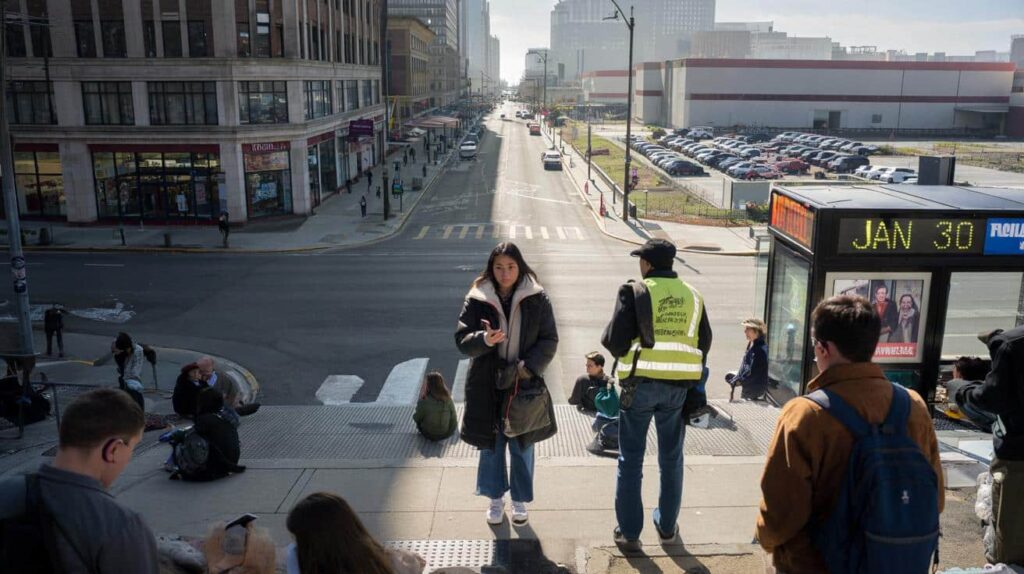
Outside, the street looks the same. Buses pass, kids rush to school, delivery vans double-park at the corner store.
Online, something is shifting.
Why a one-day shutdown is suddenly everywhere
Jan. 30 has been circled on activist calendars for weeks, but it only started to feel “real” when celebrities began talking about it. The call is blunt: a nationwide general strike to protest ICE, the federal agency that has come to symbolize raids, family separation, and a harsh immigration system. No clocking in. No logging into class. No swiping your card at the mall or on your favorite app.
The idea is simple: disrupt the everyday rhythm of the country long enough that those in power are forced to listen. Even if just for 24 hours.
The spark came from organizers inside immigrant communities, especially those who have seen loved ones taken during early-morning raids or held in detention for months. They began circulating the date quietly: WhatsApp groups, church meetings, worker centers, local student unions. Then a viral video landed. A young woman, trembling but steady, recorded herself outside an ICE field office saying she wouldn’t go to work on Jan. 30 “because my father never came home from his shift.”
That clip crossed a line into mainstream attention when a Grammy-winning singer reposted it with three words: “I’m sitting out.” After that, endorsements came in dominoes from actors, influencers, and pro athletes. The strike stopped feeling like a niche activist move and started resembling a cultural moment.
Behind the drama of celebrity posts sits a longer story. For years, human rights groups have documented abuses at ICE detention centers: overcrowding, medical neglect, family separations that drag on, deportations without proper legal review. Court cases come and go, policy tweaks appear and vanish with each administration, and yet the core machinery keeps humming.
The general strike is a blunt instrument aimed at that machine. If people pull their labor, their spending, their presence from schools and workplaces, organizers hope to turn abstract outrage into tangible pressure. *It’s an attempt to measure outrage not in likes, but in lost revenue and empty classrooms.*
What “no work, no school, no shopping” actually looks like
For someone who’s never joined a strike, the slogan can sound dramatic and vague at the same time. On Jan. 30, the basic playbook is this: if you can safely do it, you stay home from your job and from classes, and you avoid non-essential spending for the full day. That includes online orders, fast-food runs, and those small impulse buys that quietly fuel the economy.
The quiet part is crucial. Streets might look normal at first glance, but what matters is what’s missing: fewer workers on the factory floor, an unusual number of empty desks, a dip in sales stats that executives will notice before anyone else.
Take a warehouse worker in Chicago who’s been on edge for months as co-workers whisper about ICE showing up in the neighborhood. She’s a citizen, but her partner isn’t, and every siren sounds like a warning. On Jan. 30, she’s planning to call out sick using her last bit of paid time off. She already talked to three colleagues who will “accidentally” have car trouble that morning, too.
Across the country, a college sophomore in Texas has quietly organized a walkout in her sociology class. She’s passed around a sign-up sheet and collected 40 names from different majors. The plan is to send a group email to the administration explaining they’ll be absent in solidarity with families hit by deportations. It’s small. It’s local. Yet multiplied across hundreds of campuses, that kind of coordinated absence becomes a headline.
On the surface, staying home or skipping a Target run feels like a tiny gesture. One less latte won’t transform federal immigration policy. But strikes aren’t about single decisions, they’re about scale and visibility. When unions shut down ports, oil refineries, or transit lines, their power comes from synchronized refusal. This general strike tries to borrow that same logic and extend it beyond one sector or union.
There’s also a psychological calculation at work. Politicians can ignore angry tweets; they struggle more when confronted with hard numbers from business lobbies and school districts reporting widespread disruption. **A silent campus, a half-empty mall, a dip in daily revenue is a different language of protest – one that boardrooms speak fluently.**
How to join without burning out or putting yourself at risk
Participation isn’t one-size-fits-all. The first step is brutally practical: look at your own risk. Are you in a precarious job where missing a single shift could get you fired? Are you undocumented yourself, or supporting someone who is? Organizers closest to the issue keep repeating the same line: nobody should jeopardize their survival to make a point.
If skipping work isn’t safe, you can still join the “no shopping” part by planning ahead. Fill your gas tank the day before. Meal-prep on Jan. 29 so you’re not tempted by takeout. Turn off shopping apps for 24 hours. If you’re a student who can miss a day, talk to classmates and professors early instead of quietly ghosting class. That conversation alone can spread the message further than a single absence.
We’ve all been there, that moment when an action you believe in starts to feel like a moral purity test. Participating in a general strike can stir up guilt on both sides: guilt for going to work, guilt for staying home, guilt for not doing “enough.”
The plain truth is: not everyone can walk out, and not everyone should. **Strikes only work when people are honest about their limits and still look for a way to contribute.** Maybe you amplify stories from those directly impacted by ICE on social media. Maybe you donate to a local mutual-aid fund supporting families in detention. Maybe you offer childcare so another parent can attend a rally. None of that shows up in dramatic aerial shots of empty streets, yet it quietly holds the movement together.
For many, the emotional weight of Jan. 30 is as real as the logistics. Families living with the risk of ICE contact don’t get to “log off” after the strike; the fear is year-round. That’s why some organizers talk less about boycotting and more about care.
“People think protest is only chanting in the street,” says Marisol, a community organizer in New Jersey whose brother was detained by ICE in 2019. “But for us, protest also looks like cooking for each other, walking someone to their hearing, sitting with a neighbor whose husband just got taken. The strike is one day. The trauma is every day.”
- Call or text someone you know who’s been impacted by deportation, detention, or raids, and simply ask what they need this week.
- Offer to translate, drive, or accompany a neighbor or co-worker to an immigration check-in or court date.
- Share credible, verified information about people’s rights during an ICE stop or home visit.
- Support local legal aid or bond funds that help people get out of detention.
- Talk openly with kids and teens about what’s happening, in age-appropriate language, so they don’t sit alone with anxiety.
What this moment could open up after Jan. 30
By midnight on Jan. 30, the country will not magically wake up to a brand-new immigration system. ICE will still exist. Detention centers will still be open. That can feel crushing if you pinned all your hopes on one big day of refusal. But there’s another way to read a general strike.
If the call reaches beyond seasoned activists into everyday homes, group chats, and workplaces, it leaves behind new relationships. Co-workers who never talked about politics suddenly discover shared values. Students realize they’re not the only ones lying awake thinking about friends whose parents are undocumented. A business owner quietly watching their sales dip might ask why so many customers are willing to sit out for 24 hours.
The real question isn’t whether Jan. 30 “worked” in a binary sense. It’s what people decide to do on Jan. 31 and after. Do celebrities vanish once the hashtag fades, or stay invested in pushing for concrete policy changes, like limits on detention or expanded legal representation? Do those of us who skipped a day of work or shopping return to normal, or do we keep nudging our schools, unions, city councils, and employers to take a stand?
*One day of silence in stores and offices can be powerful, but the long, quiet organizing that follows is what reshapes the ground beneath agencies like ICE.* That’s the part that rarely trends – and the part that might actually change lives.
| Key point | Detail | Value for the reader |
|---|---|---|
| What the Jan. 30 strike is | A one-day call to skip work, school, and non-essential shopping to protest ICE’s role in raids, detention, and deportations | Helps you quickly grasp why the date matters and what’s being asked |
| Ways to participate safely | From full walkouts to quiet no-shopping choices, mutual aid, and online amplification | Lets you choose an action that fits your real-life risks and responsibilities |
| What comes after the strike | Using new connections and awareness to support long-term organizing and policy pressure | Shows how to turn a single day of protest into ongoing, meaningful engagement |
FAQ:
- Question 1What exactly is being protested on Jan. 30?
- Answer 1The strike targets ICE’s role in deportations, family separations, and detention practices that advocates say violate human rights. It’s also a broader response to a system that treats migration primarily as a criminal issue.
- Question 2Do I have to skip both work and school to participate?
- Answer 2No. Some people will do all three parts: no work, no school, no shopping. Others will focus on what’s realistically safe for them, like avoiding non-essential spending or joining an evening rally after work.
- Question 3How are celebrities involved, and does it really matter?
- Answer 3Several actors, musicians, and influencers have publicly backed the strike or said they’ll pause their own projects that day. Their involvement doesn’t replace grassroots organizing, but it does draw more eyes and media coverage to stories that often stay invisible.
- Question 4What if my boss or school punishes me for joining the strike?
- Answer 4Consequences vary a lot by workplace and campus. Some unions and faculty support the action, others don’t. Before deciding, talk to trusted co-workers, student groups, or legal-aid organizations in your area to understand your specific risks and rights.
- Question 5Can one day of protest really change an agency like ICE?
- Answer 5One day alone probably won’t. What it can do is shift public attention, strengthen networks, and put economic pressure on leaders. Those ripples create better conditions for long-term campaigns that push for concrete legal and policy reforms.