
On the way to work you catch your reflection in a car window and feel that small jolt again. It feels subtle like seeing yourself tagged in a photo from an odd angle. You walk in a different way. You speak up a little sooner in a meeting. People say you look different today and you cannot tell if they mean it as a compliment.
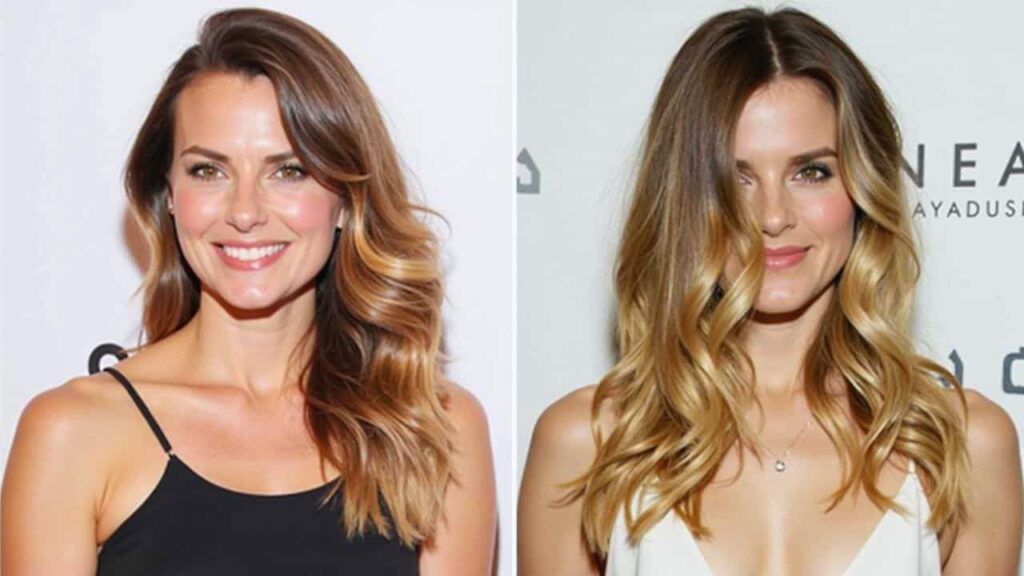
Why a Tiny Change in Your Hair Can Shake Your Whole Identity
Hair is something we claim does not matter much while secretly using it to define how we see ourselves. Most people keep the same hairstyle for years or even decades without making a conscious choice about it. Over time it becomes the expected border that surrounds your face in your own mind. Your brain gets used to seeing your reflection in a particular way. The hairstyle you have worn for so long starts to feel like the only correct version of yourself. When you look in the mirror each morning you expect to see that familiar arrangement of hair framing your features. This attachment happens gradually without you noticing it. The style becomes part of your identity even though you might say appearance does not define you. Your hair sits there day after day creating a visual signature that both you & others recognize as distinctly yours. The truth is that this seemingly minor detail carries more weight than most people admit. It shapes how you present yourself to the world and influences your confidence in subtle ways. Yet the decision to maintain that same look often comes from habit rather than genuine preference.

People often joke online about getting a new personality after flipping their part. Beneath the humor is a consistent pattern where small visual changes can alter confidence & posture & how someone moves through their day. The shift happens because changing something as simple as a hair part creates a different frame around the face. This new frame can make familiar features look fresh. When people see themselves differently in the mirror they often adjust their behavior to match what they perceive. Research in social psychology shows that minor alterations in appearance can influence self-perception. A person who feels they look more polished or put together may stand straighter or make more eye contact. These adjustments happen without conscious effort but they affect how others respond in return. The part you choose also interacts with your natural hair growth patterns & face shape. A side part might add volume on one side while a middle part can create symmetry. These structural differences change the overall impression someone gives off even if the change seems minimal at first glance. Online communities have documented these transformations with before and after photos. The images often show the same person looking noticeably different simply from redirecting where their hair falls. Comments frequently mention that one version looks more professional while another seems more relaxed or approachable. This phenomenon extends beyond just hair. Small changes in grooming or style can trigger a cascade of behavioral shifts. The key factor is that the change must be visible enough for the person to notice it themselves. Once they register the difference their brain begins to construct a narrative around this new version of their appearance.

Your face is how people recognize you in social situations. The way your hair falls around it continuously communicates information about your identity. When you switch the part to the other side you create small changes in balance & symmetry. Your brain notices this slightly different appearance and modifies your behavior to align with this new version of yourself.

How to Use a Hair-Part Flip as a Psychological Reset
This approach works well when you need to shake things up. If you feel trapped in a routine at your job, switch your part on a Monday and use it as a fresh start. If you feel anxious before an event change sides that morning and see how it helps you break free from your usual patterns.

- Change your part with intention, not by accident.
- Look at yourself long enough to register the newness.
- Notice reactions without over-analyzing them.
- Pay attention to posture, voice, and decisions.
- Keep what feels natural and discard what feels like a costume.
What Your Flipped Part Is Really Telling You
When your reflection surprises you it shows how much of who you are comes from habits you never really think about. The way you normally part your hair is one of those automatic choices. Changing it removes one small piece and proves the whole thing bends more easily than you expected.
| Key Point | Detail | Why It Matters |
|---|---|---|
| Micro change, big effect | Shifting the part alters how the brain reads your face | Explains why you feel different without a major makeover |
| Intentional ritual | Turning the flip into a conscious reset | Helps break mental and behavioral routines |
| Social feedback | Others respond to subtle facial changes | Clarifies the image you project and what feels authentic |
