
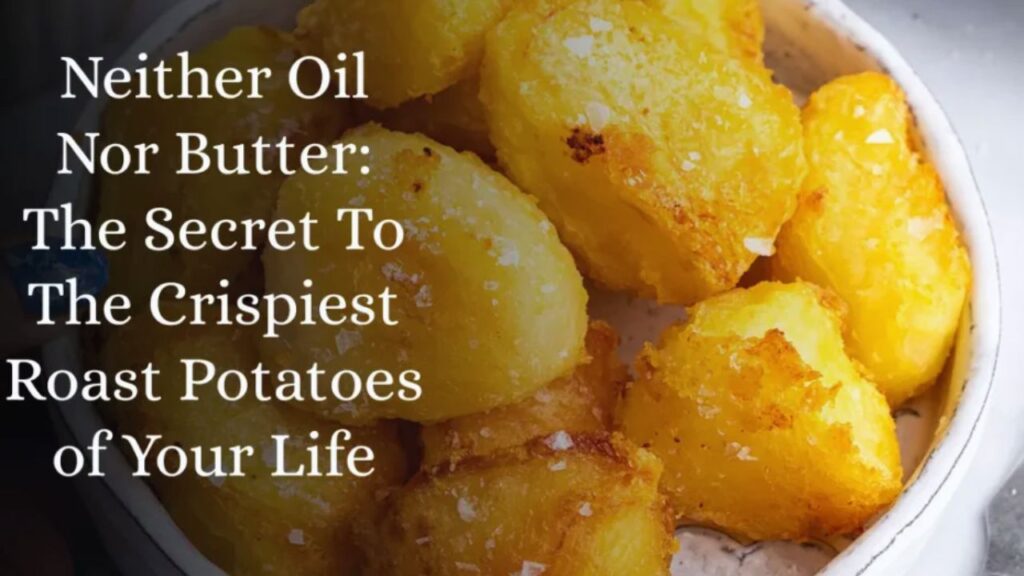
Professional chefs rely on a straightforward method rooted in basic science to achieve an incredibly crispy exterior on their potatoes before they even go into the oven. After you master this technique your roasted potatoes will be transformed forever. The secret involves parboiling the potatoes first. This process partially cooks them and does something remarkable to their surface. When you boil potatoes in salted water for several minutes the outer layer begins to break down. The starches on the surface become gelatinized and start to separate from the potato itself. After draining the parboiled potatoes you need to rough them up. Give the colander or pot a good shake. This creates a fuzzy coating of mashed potato on the outside of each piece. That roughed-up surface is what makes all the difference when the potatoes hit the hot oil in your roasting pan. The science behind this is simple. Those tiny fragments of potato have much more surface area than a smooth potato would have. When they meet hot fat in the oven they crisp up quickly and thoroughly. The result is a shatteringly crisp golden crust that surrounds a fluffy interior. Most home cooks skip this step entirely. They simply cut their potatoes and throw them straight into the roasting pan. While this produces acceptable results it cannot compare to the professional method. The difference in texture is dramatic and immediately noticeable. The technique works because of how starches behave when heated. Raw potato surfaces contain moisture that must evaporate before crisping can occur. The parboiling process removes excess moisture & creates that starchy coating. When fat and high heat are applied this coating transforms into an irresistibly crunchy shell. This approach takes only a few extra minutes but delivers restaurant-quality results every time. Your potatoes will have that perfect contrast between the crispy outside and the soft creamy center that makes roasted potatoes so appealing.
Why Oil and Butter Alone Fail?
Potatoes have high water content. If you put them in the oven with their surfaces completely smooth the moisture turns to steam faster than the outside can brown. This steam makes the exterior soft and stops it from getting crispy.

The Real Secret: Alkaline Parboiling
The secret to making perfectly crispy roast potatoes is to parboil them first in water that contains baking soda. This creates an alkaline solution that helps break down the surface of the potatoes. When you boil potatoes in alkaline water the outer layer becomes slightly mushy. This rough texture is exactly what you want because it creates more surface area. Once you drain and shake the potatoes in the pot they develop a starchy coating on the outside. This starchy layer turns incredibly crispy when you roast the potatoes in hot oil. The baking soda does something that plain water cannot do. It speeds up the breakdown of pectin in the potato skins which makes them softer on the outside while keeping the inside fluffy. After parboiling you should drain the potatoes well and let them steam dry for a minute. Then give them a good shake in the pot to rough up the edges. These roughed up surfaces will become golden and crunchy in the oven. The final step is roasting them in very hot oil or fat. The combination of the rough starchy exterior and high heat produces potatoes that are crispy on the outside & soft inside. This method works much better than simply cutting and roasting potatoes without any preparation.

This technique does three critical things:

This method accomplishes three essential tasks that work together to improve your writing and communication. First, it helps you organize your thoughts in a clear and logical way. When you structure your ideas properly, readers can follow your message without getting confused or lost. Good organization means presenting information in an order that makes sense and connects each point to the next one smoothly. Second, it makes your content more engaging and easier to read. People are more likely to pay attention when information is presented in a straightforward manner. Simple language & clear explanations keep readers interested instead of making them work too hard to understand what you mean. Third it ensures your main message gets across effectively. When you remove unnecessary complexity and focus on what really matters your audience remembers the important points. Clear communication means people actually understand and retain the information you want to share with them. These three benefits combine to create writing that serves its purpose well. Whether you are explaining a concept, sharing information, or trying to persuade someone, this approach helps you reach your goal. The technique works because it respects your reader’s time and attention while delivering your message in the most effective way possible.
- Breaks down the outer potato cells
- Creates a starchy, rough surface
- Encourages faster browning and crunch
Why Baking Soda Works?
When this happens:
When you find yourself in this situation you need to take a moment to understand what is going on. The first step is to recognize that something has changed. You might notice different patterns or behaviors that were not there before. These changes can be subtle at first but they become more obvious over time. The key is to stay calm and think clearly about your next move. Many people panic when they face unexpected situations but that usually makes things worse. Instead you should gather information & look at the facts. Ask yourself what exactly has changed & why it might have happened. Once you have a clear picture of the situation you can start planning your response. Think about what options are available to you. Some choices might seem obvious while others require more careful thought. Consider the potential outcomes of each option before you decide what to do. It helps to talk to someone you trust about what is happening. Another perspective can reveal things you might have missed. They might see solutions that you did not consider or point out problems with your current approach. Remember that most situations are not as bad as they first appear. Your initial reaction might be more emotional than rational. Give yourself time to process what is happening before you take action. A rushed decision often leads to regret later. The important thing is to learn from the experience. Every challenge teaches you something valuable if you pay attention. Think about what you could do differently next time. This knowledge will help you handle similar situations better in the future. Stay focused on what you can control rather than worrying about things outside your influence. You cannot change what has already happened but you can choose how to respond. Your attitude & actions determine the final outcome more than the situation itself.
- The outer layer softens
- Starch releases to the surface
- The potato develops a mashed, fuzzy coating
Step-by-Step: The Ultimate Crispy Roast Potato Method
Ingredients
- Floury potatoes (Yukon Gold or Maris Piper work best)
- Water
- Baking soda
- Salt
- Optional fat (used sparingly at the end)
Step 1: Choose the Right Potatoes
- Yukon Gold
- Maris Piper
- Russet (if available)
Step 2: Peel and Cut Generously
Larger Pieces Mean:
Larger pieces of food take more time to cook all the way through. When you cut ingredients into bigger chunks, the heat needs longer to reach the center and cook it properly. This can affect how your meal turns out. If you want everything to cook evenly, try to cut your ingredients into similar sizes. This helps them all finish cooking at the same time. Smaller pieces will cook faster than larger ones, so keep that in mind when you prepare your ingredients. The size you choose depends on what you are making. Some recipes work better with bigger pieces, while others need smaller cuts. Think about the cooking method you are using and how long you plan to cook the food. When you roast vegetables larger pieces can develop a nice texture on the outside while staying tender inside. But if you are making a stir-fry or a quick sauté smaller pieces work better because they cook fast and evenly. The thickness of your cuts matters too. Even if two pieces are the same length, a thicker piece will take longer to cook than a thinner one. Try to keep both the size & thickness consistent when you cut your ingredients.
- Fluffy interiors
- More dramatic contrast with the crust
- Less risk of drying out
Step 3: Parboil With Baking Soda
Add:
- 1 tablespoon salt
- ½ teaspoon baking soda per liter of water
Add the potatoes to the pot and let them boil for eight to ten minutes until they become tender.
Step 4: Drain and Rough Them Up
- Shake the pot vigorously
- Toss the potatoes until the edges look fluffy and mashed
Step 5: Season First, Fat Later
Add:

- Salt
- Pepper
- Optional garlic powder or rosemary
You are making the crispness better rather than making it from scratch. The goal is to improve what already exists instead of building something entirely new. When you work on enhancing crispness you focus on refining the current state. This means you take what is there and make it sharper or clearer. Think of it like polishing a surface that already has some shine. You are not starting with a dull surface and trying to create shine where none exists. Instead you are taking something that already has a degree of brightness & making it even more brilliant. The same principle applies when you work with sound or images or text. The foundation is already present. Your job is to bring out the best qualities that are already there. You highlight what works and reduce what distracts from the overall quality. This approach requires a different mindset than creation. When you create you start with nothing and build everything from the ground up. When you enhance you start with something and make it better. You need to recognize what is already good & understand how to make it even stronger. Enhancement means you respect the original work. You do not ignore what came before or dismiss its value. Instead you see the potential in what exists and help it reach a higher level. This takes skill because you must know what to change & what to leave alone. The process involves careful observation. You look at the current state and identify areas that need improvement. You consider what would make the biggest difference. Then you apply your knowledge and tools to make those improvements happen. Sometimes enhancement requires only small adjustments. Other times it needs more significant changes. But in every case you are working with existing material. You are not inventing something new but rather perfecting something that is already there. This distinction matters because it shapes how you approach your work. If you think you are creating crispness you might try too hard or add too much. But if you understand you are enhancing it you will work more carefully and thoughtfully. You will make changes that support & strengthen what already exists rather than overwhelming it.
Step 6: Roast Hot and Undisturbed
Place the potatoes on a heated baking tray and make sure they are not touching each other.
Roast for:
- 25 minutes without touching
- Flip once
- Roast another 20–25 minutes
Why This Method Beats Frying?
You might believe that frying produces the best crunch but this technique matches deep frying while requiring much less fat.
Benefits:
- Crunchier surface
- Lighter texture
- No greasy coating
- Better potato flavor
Common Mistakes That Ruin Crispiness
- Skipping baking soda
- Using waxy potatoes
- Overcrowding the tray
- Flipping too early
- Adding butter before roasting
Can You Make Them Without Any Fat at All?
However:
- A small amount of fat improves flavor
- Texture remains excellent either way
Why Restaurants Use This Technique?
- Works every time
- Scales easily
- Produces dramatic crunch
- Reduces oil usage
You can get potatoes much crunchier than usual by following a few simple steps. First boil them briefly with baking soda added to the water. Then shake them around to rough up their surfaces. Finally roast them at high heat. Most people who cook at home never manage to get this level of crispiness.
The Secret to Making the Best Roast Potatoes You Will Ever Taste
Getting roast potatoes just right can feel like a challenge. You want them crispy on the outside and fluffy on the inside. Many people struggle to achieve this perfect combination. The good news is that there is a simple technique that makes all the difference. The secret lies in how you prepare the potatoes before they go into the oven. Most recipes tell you to cut the potatoes and toss them in oil. But the best roast potatoes require one extra step that changes everything. After you boil the potatoes until they are almost cooked through you need to drain them completely. Then comes the crucial part. Give the pot a good shake with the lid on. This roughing up of the potato surfaces creates a fluffy exterior that will turn incredibly crispy when roasted. When those roughed-up edges hit the hot oil in your roasting pan, they transform into a golden crunchy coating. The inside stays soft and creamy because you parboiled them first. This contrast between the crispy shell and the tender center is what makes truly exceptional roast potatoes. The type of potato you choose matters too. Starchy varieties work better than waxy ones. Russet potatoes or Yukon Golds give you that fluffy texture inside. Waxy potatoes tend to stay firm & don’t crisp up as well. Your oven temperature should be high enough to create that crunch. Most experts recommend heating your oven to at least 400 degrees. Some even go higher to get maximum crispiness. The oil needs to be hot before the potatoes go in as well. This method takes a bit more time than just cutting and roasting. But the results are worth every extra minute. Once you try roast potatoes made this way, you won’t want to go back to your old method. The difference in texture and flavor is remarkable.
